Teacher Champion - Sylvie De Grandpre
In this issue of our BCAITC Teacher Champion series, we profile BC teacher Sylvie De Grandpre. Discover her passion for educating students about BC agriculture, food, and the environment.
Q: What school do you teach? A: I teach at École Les Mélèzes-dorés, in Kimberley BC, where I also serve as the administrator of the school.
Q: What grade(s) do you teach? A: I currently teach gym to students in Kindergarten to Grade 2, as well as part-time in a combined Grade 3/4/5 and Grade 7 classroom.
Q: How and when did you first learn about BCAITC? A: I Oh my! My first experiences with BCAITC started with FRESH for KIDS (previously known as BC School Fruit and Vegetable Program), a very long time ago! Along my career many of my classes have enjoyed BC fruits and vegetables.
Q: How long have you been teaching students about BC agriculture and food? A: I have always included a food component to my teaching (reaching 37 years in education). However, I was inspired to develop a full cooking/baking program by a wonderful colleague named Bev Sparks (in Cranbrook, BC) in the early 2000’s. Throughout the years, students have worked on recipes, potlucks, growing food, and featuring local produce. It’s been an integral part of my teaching philosophy.
Q: What are the most important things that you want your students to learn about BC agriculture and food? A: I remember organizing a potluck to teach about BC resources with a lovely group of students in the mid-2000’s. At that time, we were learning that BC produces so much good food that we can feed our entire class! The challenge was to bring dishes that included mostly BC fruits and vegetables, and locally produced food. It was a great experience and the students got to taste BC.
I think it is important for students to understand how and where food starts (before the grocery store), and to appreciate the diversity that exists in our own province.
In recent years, the focus on BC foods has also included ethnobotany with Ktunaxa guide and friend Faye O’Neil and learning from/sometimes tasting local plants (with permission of course). Students are learning to collect fruits based on needs rather than wants I think it is very important to learn that nature is full of offerings however we need to think of more-than-human beings who also live off these foods. In all, I want students to be knowledgeable about “food literacy” and cognizant that sharing resources is important.
Q: BCAITC has over 500 free downloadable resources including lesson plans, activities, videos, recipes, and more! What is your favourite BCAITC resource and why? A: This is positively a hard question. Over the years, posters have been a permanent feature in my classrooms, and I regularly go through many of the resources to see what can be added to our school’s resources. The powerpoint and learning resources for the BCAITC recipe contests were absolutely fabulous. The students really enjoyed them. They were colourful, engaging, and easy to access and use as lessons.
Q: What is your favourite BCAITC program and why? A: The FRESH for KIDS (previously known as BC School Fruit and Vegetable Nutrition Program) has always been a favorite mainly because students have been able to taste BC foods, share them, and have been lucky enough to use some of the surplus in recipes.
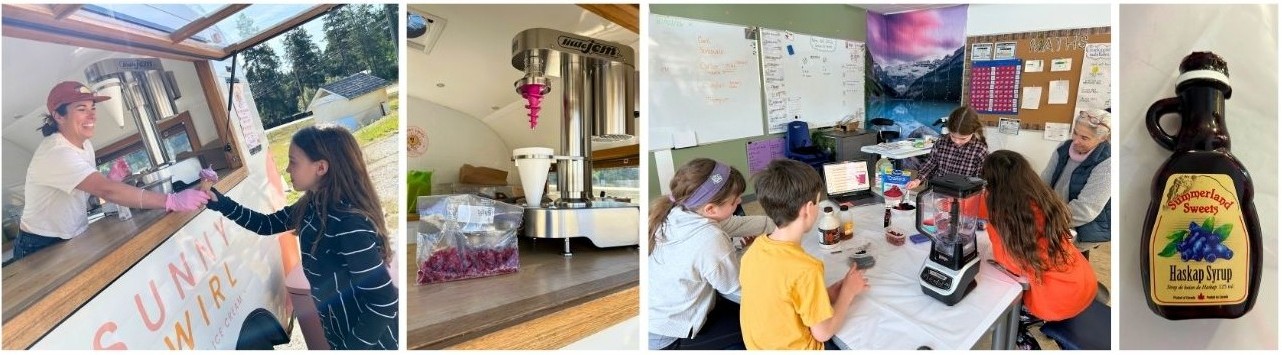
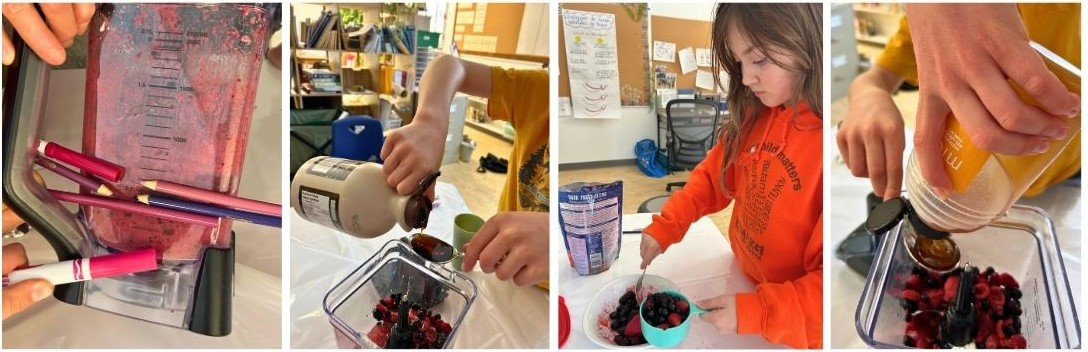
Q: Describe an agriculture or food-based project/program you have implemented in your classroom/school recently. A: At our school, we created a cooking/baking program called “How do you make…” which encourages students to learn how to follow a recipe and make food to share. A highlight is always when students have the opportunity to harvest from the school garden and create dishes. Although we cook/bake often, I must say that when we participated in the smoothie recipe contest, the students were particularly enthralled with the process. The creation of the recipe drew much interest in ensuring that as many BC berries be included (even a few forest ones!) which led to a student bringing haskap berry syrup to class for everyone to taste and use in the smoothie. We learned about haskap berries, and this has stayed in the students’ minds!
A fun initiative at the school (I take no credit for this one!) was the integration of art into the garden program by creating a poster inspired by the Dig in for Dinner poster, which represented the vegetables being grown in the school garden. This activity involved students having to visualize the vegetable as they were growing in the soil and what they may harvest a few months later. It is yet another way to p play/create/teach with the BCAITC resources available to educators.
Q: Do you have any advice for other educators on how to integrate agriculture and food education into their curriculum? A: Start with fun and hands-on activities! Make a fruit salad or skewers for the class and use this as an anchor for lessons to come and from which to build on. Use opportunities that arise while cooking! Plant seeds you find in the fruits, see if you can grown a new apple plant! Draw on students’ experiences and ideas too!
In addition, set yourself the goal to use a BCAITC resource or try a program. Start with what feels comfortable and grow from there!
About the Teacher Champion Series: This monthly BCAITC series features BC teachers and school staff who are passionate about providing agriculture and food education to K-12 students. For more information, contact BCAITC Communications Coordinator, communications@aitc.ca.