Teacher Champion - Maria Dorothy King
In this issue of our BCAITC Teacher Champion series, we profile BC teacher Maria Dorothy King. Discover her passion for educating students about BC agriculture, food, and the environment.
Q: What school do you teach? A: I teach at Queen Mary Elementary School in Vancouver, BC, where I’ve been part of the school community for 24 years.
Q: What grade(s) do you teach? A: I currently teach Grade 5, though over my 34‑year career I’ve taught students from Kindergarten through university. Agriculture naturally weaves through many parts of our learning—science, social studies, math, writing, and community building—so it often becomes a cross‑grade, cross‑curricular thread.
Q: How and when did you first learn about BCAITC? A: I first learned about BCAITC through early workshops and resource-sharing sessions with colleagues. As soon as I saw how grounded, hands‑on, and accessible the programs were, I knew they would become a core part of my teaching practice.
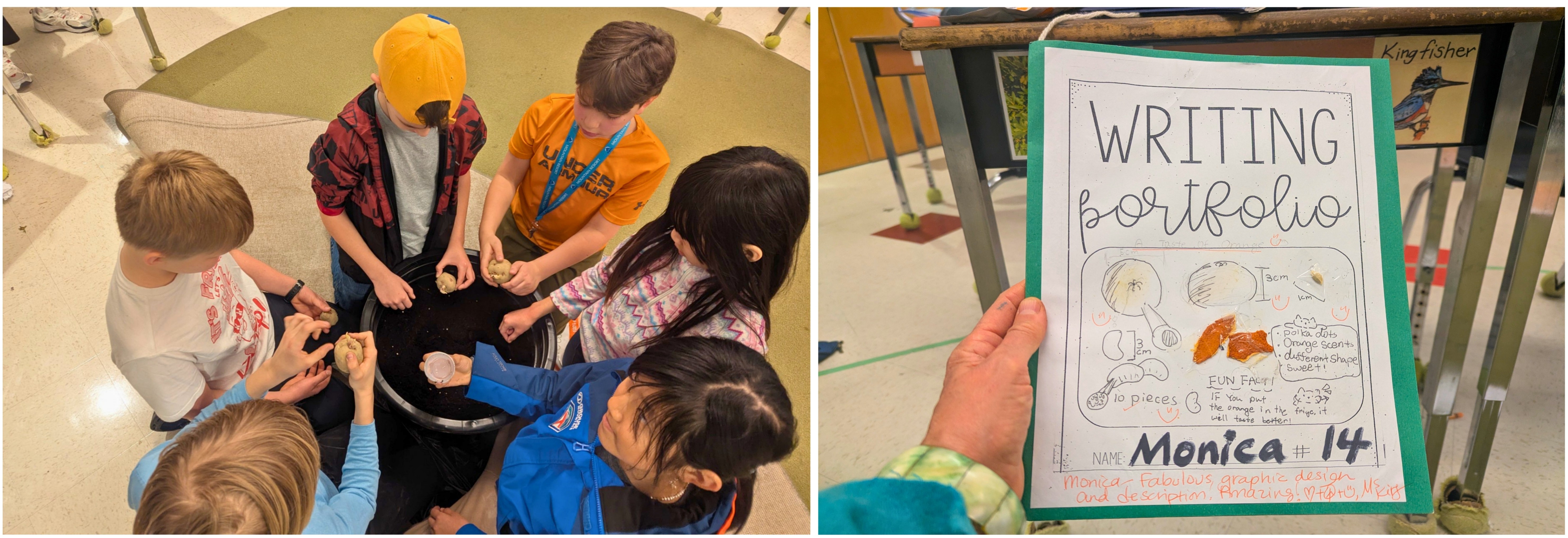
Q: How long have you been teaching students about BC agriculture and food? A: I’ve been teaching about BC agriculture and food for over two decades, and my approach has evolved from simple plant‑growing activities to a much deeper exploration of food systems, sustainability, and community stewardship. Over time, I’ve seen how agricultural learning can anchor students emotionally, academically, and socially.
Q: What are the most important things that you want your students to learn about BC agriculture and food? A: I want my students to understand:
- Where their food comes from, and the many hands and ecosystems involved.
- Sustainability, and how small choices connect to larger environmental impacts.
- Appreciation for farmers, growers, and food workers across BC.
- Food security and equity, and how communities support one another.
- Connection to place, including Indigenous knowledge, local growing practices, and respect for the land we share.
More than anything, I want students to feel empowered, to know they can grow something, nurture something, and contribute to their community.
Q: BCAITC has over 500 free downloadable resources including lesson plans, activities, videos, recipes, and more! What is your favourite BCAITC resource and why? A: One of my favourite resources is “Grow BC” because it gives students a clear, visual understanding of the incredible diversity of foods grown in our province. It sparks curiosity, pride, and so many “I didn’t know we grew that!” moments. Students love making connections between the map, their lunches, and their own cultural food traditions.
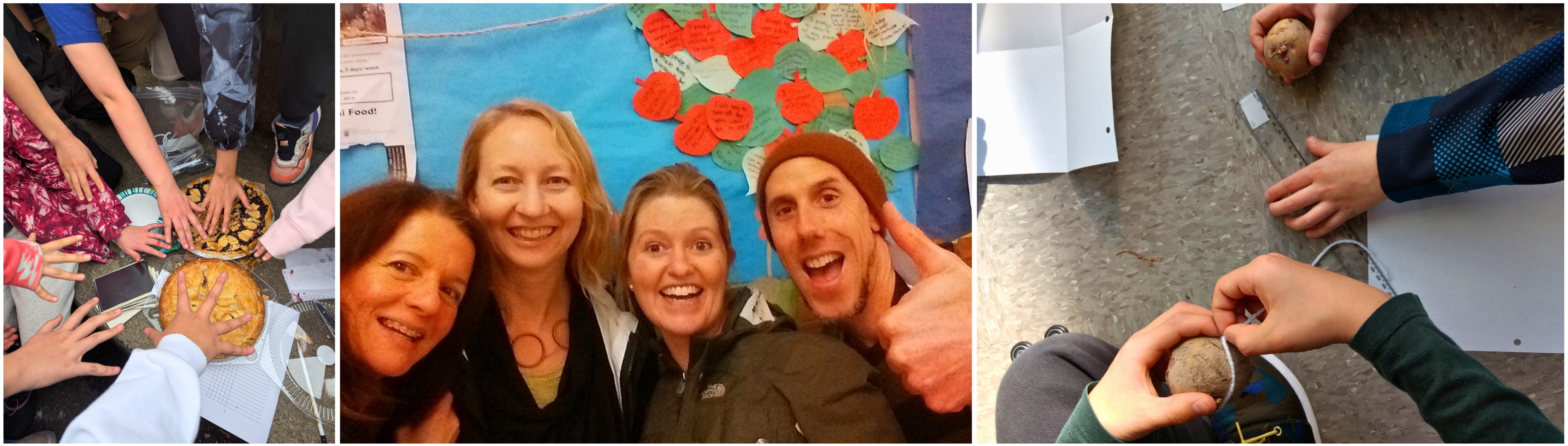
Q: What is your favourite BCAITC program and why? A: I have a special place in my heart for Spuds in Tubs, which began in 2006 and which I’ve taught every single year since its launch. Being part of the program from the very beginning has allowed me to watch entire generations of students experience the joy of planting, tending, harvesting, and tasting food they grew themselves. The excitement never fades, students are just as thrilled today as they were 20 years ago.
I also love Planting a Promise, which pairs beautifully with Spuds in Tubs and deepens students’ understanding of plant growth, patience, and stewardship. Long‑term participation in these programs has created a strong culture of curiosity and care in my classroom.
Q: Describe an agriculture or food-based project/program you have implemented in your classroom/school recently. A: Recently, my class participated in a schoolwide knitting and gardening initiative that connected food, fibre, and community. Students planted early spring vegetables, observed growth patterns, and compared them to the fibres that are used for knitting. What surprised me most was how naturally students linked the two, recognizing that both food and fibre come from living systems that require care, respect, and time. The biggest outcome was the sense of pride: students felt rooted in something meaningful and shared. In the past, we have knit with plant fibres and learned how farmers harvest cotton, linen, bamboo and hemp for knitting and weaving.
Q: Do you have any advice for other educators on how to integrate agriculture and food education into their curriculum? A: In my experience, below are some pieces of advice I would share with fellow educators looking to bring agriculture and food education into their classrooms:
- Start small—a single pot of herbs on a windowsill can spark big conversations.
- Connect to what you’re already teaching—agriculture fits beautifully into science, math, writing, art, and social studies.
- Let students get their hands dirty—the sensory experience is powerful.
- Use local examples—BC’s agricultural diversity makes it easy to find relevant, culturally inclusive entry points.
- Embrace curiosity over perfection—plants don’t always grow as expected, and that’s part of the learning.
- Build community connections—families, Elders, gardeners, and local growers enrich the experience.
About the Teacher Champion Series: This monthly BCAITC series features BC teachers and school staff who are passionate about providing agriculture and food education to K-12 students. For more information, contact BCAITC Communications Coordinator, communications@aitc.ca.