
Teacher Champion - Sandra Bergeron
In this issue of our BCAITC Teacher Champion series, we profile BC teacher Sandra Bergeron. Discover her passion for educating students about BC agriculture, food, and the environment.
Q: What school do you teach? A: I teach at GW Graham Secondary School in Chilliwack.
Q: What grade(s) do you teach? A: I currently teach Grade 11 & 12, Advanced Food Studies & Baking 12.
Q: How and when did you first learn about BCAITC? A: I first discovered BCAITC during my long practicum as a student teacher, while attending the THESA Conference at a Provincial Pro-D Day. Their resource table immediately caught my attention! I was inspired to see an organization offering free, high-quality programs designed to help educators teach students about food literacy and the vital role of agriculture. It was love at first sight! Since then, BCAITC’s resources have become a cornerstone of my teaching, helping me bring hands-on, engaging agriculture education into the classroom.
Q: How long have you been teaching students about BC agriculture and food? A: I’ve been teaching students about BC agriculture and food for 13 years, throughout my entire career as a Foods teacher. When I secured my continuing position at GW Graham 10 years ago, one of my first priorities was to integrate BCAITC’s programs into my classroom. Since then, I’ve been using resources and programs like the Spuds in Tubs program to help students explore where their food comes from and deepen their understanding of local agriculture.
Q: What are the most important things that you want your students to learn about BC agriculture and food? A: I want my students to understand that agriculture is more than farming, it’s the story behind their food. I hope they learn to value local food systems, recognize the role of agriculture in our economy and environment, and respect the deep connections to Indigenous traditions and knowledge. By exploring where food comes from, students become more mindful eaters, critical thinkers, and active participants in building a sustainable future. Most importantly, I want them to see how they can contribute to food security both in their communities and beyond.
Q: BCAITC has over 500 free downloadable resources including lesson plans, activities, videos, recipes, and more! What is your favourite BCAITC resource and why? A: As a Foods teacher, my “Go to” resources are the incredible recipes and the Grow BC Food Stories, they are the perfect pairing for my Foods classroom. The recipes give us a delicious, tangible result that the students love. But the Grow BC stories provide the crucial "why" behind the "what we're cooking." They connect the ingredients in our hands back to the local farmer, the specific region of BC, and the journey it took to get to us. It turns a simple cooking lesson into a full-circle exploration of our province's food system.
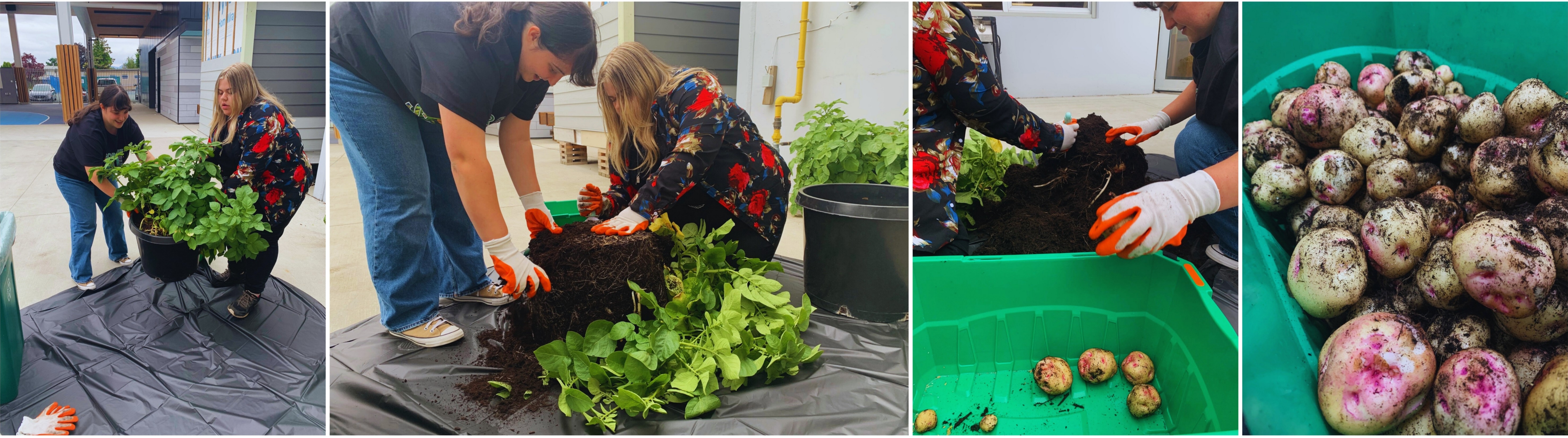
Q: What is your favourite BCAITC program and why? A: I've been a long-time participant in both the Spuds in Tubs and Planting a Promise programs. What I love most is how they give students a tangible, hands-on micro-agriculture experience right in our classroom or schoolyard. These programs don't just teach kids about farming, they cultivate a genuine connection to the land and our local food system.
Beyond these, attending the Summer Institute was a pivotal moment for me. It completely reignited my own passion for food and agriculture. Learning about the rich history of the Fraser Valley's agricultural journey was incredibly inspiring and deepened my commitment to bringing these stories back to my students.
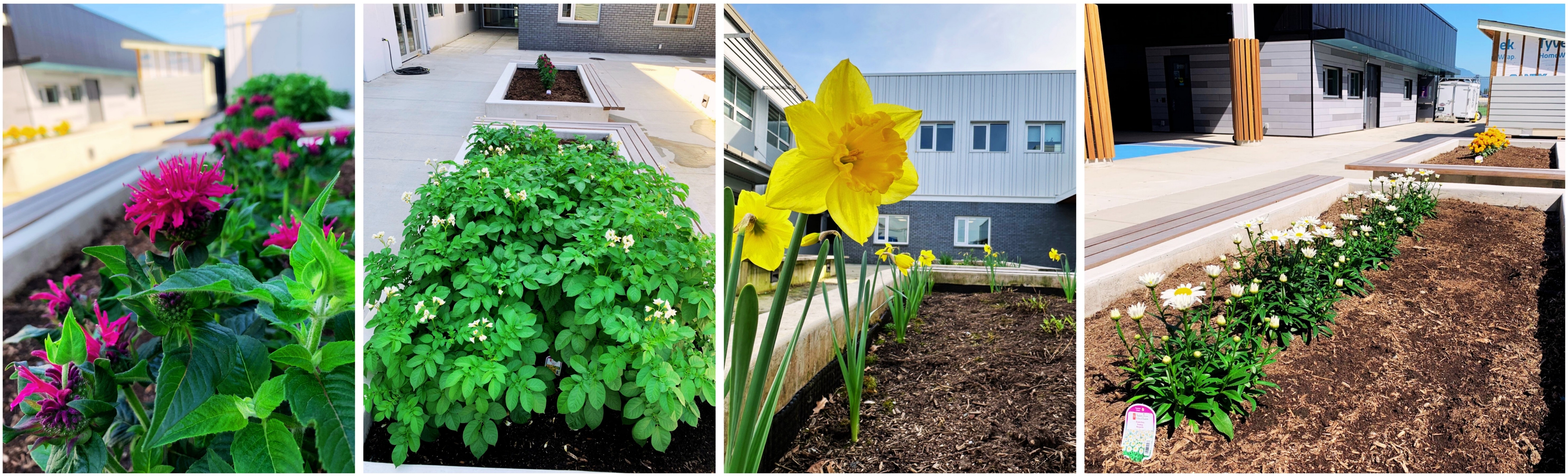
Q: Describe an agriculture or food-based project/program you have implemented in your classroom/school recently. A: For the past three years, I've had the joy of serving as the guardian of our school's garden beds. This has evolved into a vibrant, hands-on program where my students and I cultivate both practical skills and community spirit. We grow a variety of vegetables and herbs like kale, tomatoes, and basil, which we then harvest and use as fresh ingredients in our Foods class recipes. This creates a powerful "seed-to-table" experience that deeply connects students to their food. We've also dedicated space to growing flowers, which students can take home or use to create cheerful spaces throughout our school, fostering a strong sense of pride and community beauty.
Q: Do you have any advice for other educators on how to integrate agriculture and food education into their curriculum? A: My advice? Start with a conversation, everyone connects with food! Ask your students what they’re curious about, or talk to colleagues who’ve tried similar activities. The BCAITC website is full of easy, ready-to-use resources to help you begin. Most importantly, have fun with it! 😊
About the Teacher Champion Series: This monthly BCAITC series features BC teachers and school staff who are passionate about providing agriculture and food education to K-12 students. For more information, contact BCAITC Communications Coordinator, communications@aitc.ca.