
Teacher Champion - Sally Vanin
In this issue of our BCAITC Teacher Champion series, we profile BC teacher Sally Vanin. Discover her passion for educating students about BC agriculture, food, and the environment.
Q: What school do you teach? A: I am an Education Assistant at Learning Pathways – Royal Oak Secondary in Burnaby, BC. Learning Pathways is a small, specialized program designed to support students who thrive in an alternate learning environment as they work toward high school graduation. Our setting allows us to meet students where they are, build trust, and create meaningful, hands-on learning experiences that support both academic growth and personal development.
Q: What grade(s) do you teach? A: I currently work with students in Grades 10 through 12, supporting them through their senior years as they prepare for life beyond high school.
Q: How and when did you first learn about BCAITC? A: I first discovered BC Agriculture in the Classroom while working in elementary schools earlier in my career. I had the opportunity to participate in several school community garden initiatives, where BCAITC programs played a key role.
Through these programs, students weren’t just learning about food, they were planting, growing, and caring for it themselves. Those early experiences showed me how powerful hands-on agriculture education can be in building confidence, practical skills, and a deeper understanding of where food comes from. I’ve been continually impressed by the breadth of BCAITC’s programs and how thoughtfully they address themes like food security, sustainability, and real-world learning.
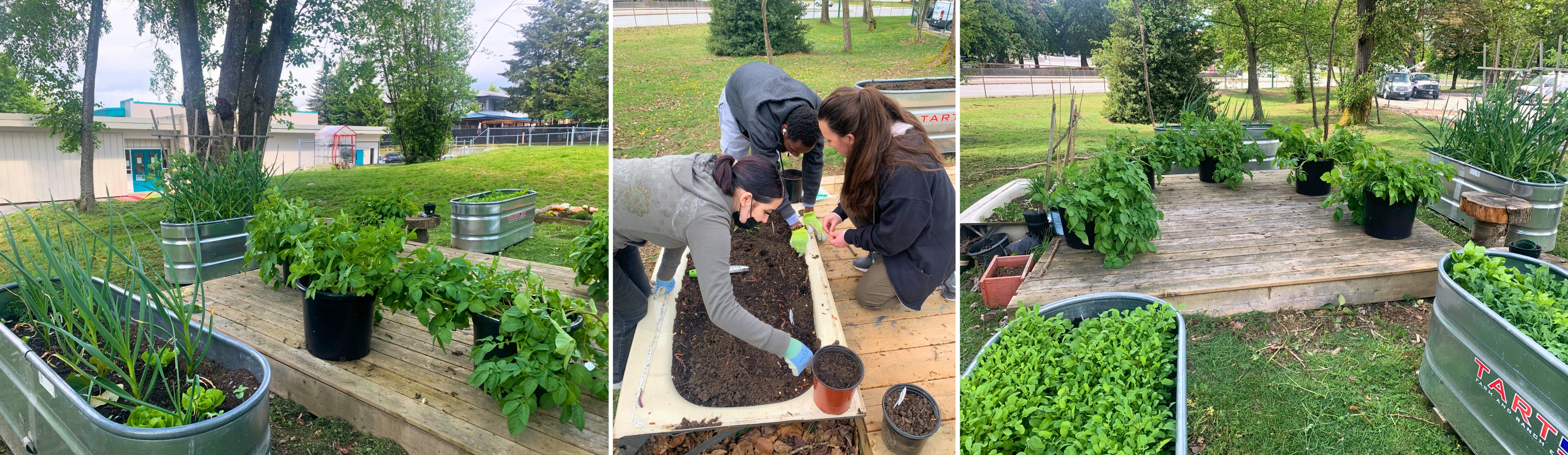
Q: How long have you been teaching students about BC agriculture and food? A: When I joined Learning Pathways in 2022, I was thrilled to discover that Royal Oak Secondary had outdoor growing space — though it did need considerable
revival!
Together with the students, we rolled up our sleeves and began bringing it back to life. What started as an overgrown, unused area slowly transformed into a working garden. Along the way, we embraced creativity and resourcefulness - even repurposing an old, abandoned bathtub into a raised garden bed. That process of rebuilding, learning, and growing alongside the students has been one of the most rewarding parts of my work.
Q: What are the most important things that you want your students to learn about BC agriculture and food? A: At its core, our goal has been to grow accessible, fresh produce and herbs that students can use in our daily Foods classes, while learning about sustainability and creative reuse of materials.
But these projects go far beyond growing plants. They teach resiliency, responsibility, and practical life skills — from cooking with food they’ve grown themselves to making thoughtful, informed food choices. Ultimately, we want students to leave Royal Oak feeling capable and self-reliant. Knowing how to grow, prepare, and share food gives them a sense of independence and pride, and reinforces the idea that their ability to provide for themselves and contribute to their community is one of their greatest strengths.
Q: BCAITC has over 500 free downloadable resources including lesson plans, activities, videos, recipes, and more! What is your favourite BCAITC resource and why? A: All the BCAITC lesson plans have been invaluable to our gardening projects, especially when it comes to guiding students through each stage — from planning and planting to harvesting and reflection.
One resource we return to year after year is the “How to Grow Garlic”. Students track the garlic’s progress from planting bulbs in the fall all the way through to harvest. Last year, this even evolved into a student-led experiment comparing the effects of scape removal on bulb size. Through observation and data collection, students refined their techniques and the results spoke for themselves, producing impressively large garlic heads and cloves. It’s a perfect example of learning that feels authentic, engaging, and empowering.
Q: What is your favourite BCAITC program and why? A:
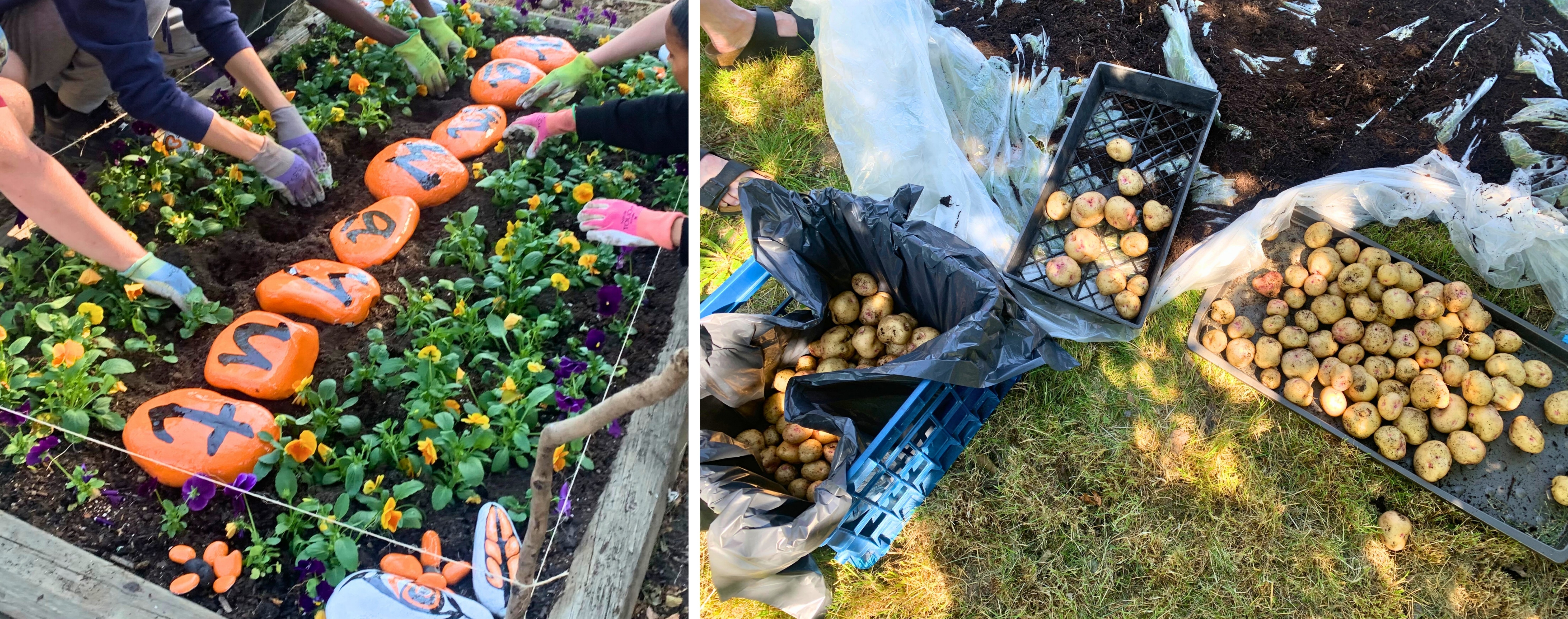
Spuds in Tubs is a clear favourite among our students. We’re running the program for the second year in a row, and the excitement hasn’t worn off. Last year, students were amazed by what a handful of seed potatoes could become. Watching them harvest far more than they expected was incredibly rewarding — and of course, turning that harvest into fresh fries for our lunch program made the experience even more memorable. It’s a simple program with a big impact!
Q: Describe an agriculture or food-based project/program you have implemented in your classroom/school recently. A: Building on our experience with Spuds in Tubs, students are currently designing and constructing potato cage structures to explore how container height affects yield.
They noticed that last year’s potato plants grew tall very quickly, which sparked curiosity and questions. This year, they’re experimenting by adding height for additional layers and incorporating compost from our school’s organic waste program. The project combines observation, problem-solving, sustainability, and hands-on construction, all while keeping students deeply engaged in the learning process.
Q: Do you have any advice for other educators on how to integrate agriculture and food education into their curriculum? A: Agriculture and food education fits beautifully within alternate and non-traditional learning environments. I’d encourage other non-traditional programs to explore the incredible resources and program opportunities that BCAITC offers. The flexibility and cross-curricular connections make it a rewarding experience for both students and educators.
About the Teacher Champion Series: This monthly BCAITC series features BC teachers and school staff who are passionate about providing agriculture and food education to K-12 students. For more information, contact BCAITC Communications Coordinator, communications@aitc.ca.