2026 Summer Institute Inspires the Next Generation of Agriculture Leaders
Five days. Countless learning moments. One shared goal: connecting students with the people, places, and stories behind BC agriculture.
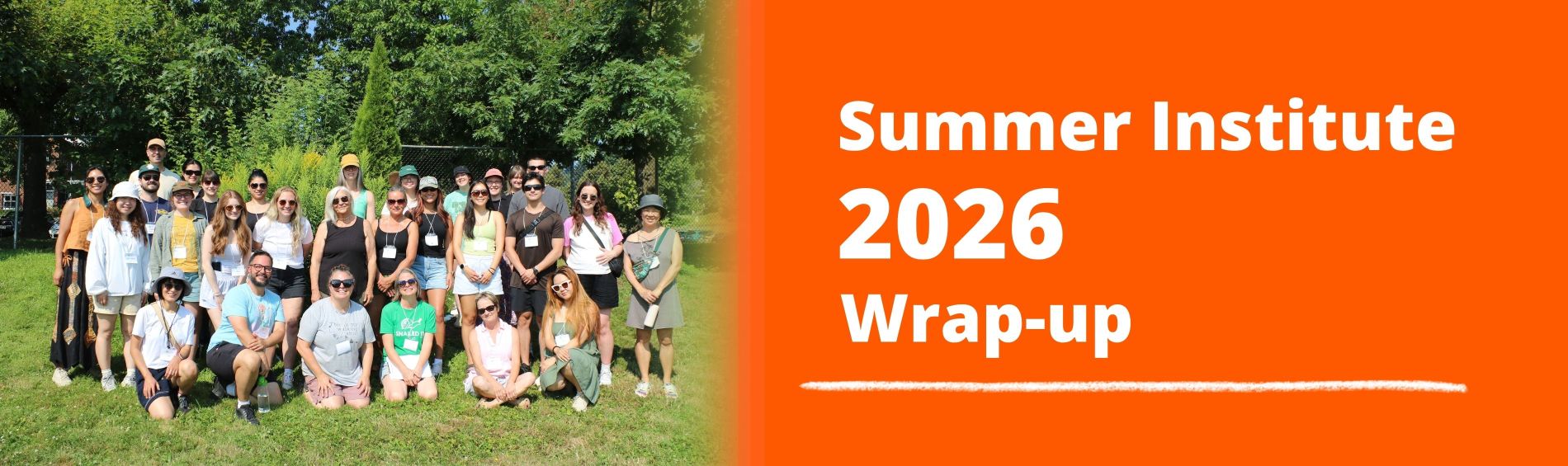
From July 20–24, 2026, students and participants from across British Columbia and Western Canada gathered for Summer Institute, an immersive week designed to bring agriculture education to life through hands-on experiences, farm tours, culinary exploration, and conversations with industry leaders.
Hosted by BC Agriculture in the Classroom (BCAITC) and UBC’s Faculty of Education, the 2026 Summer Institute was open to all adult learners and could be taken as a 3-credit UBC course or as a non-credit workshop. Led by course instructor Joe Massie, Summer Institute provided participants with opportunities to explore the many pathways within agriculture while building a deeper understanding of where food comes from and the important role agriculture plays in communities across BC.
Expanding Access to Agriculture Learning
In 2026, BCAITC introduced a new way for participants to experience Summer Institute through a non-credit workshop registration option. This new pathway allowed participants to take part in the full Summer Institute experience, including industry presentations, farm tours, hands-on activities, and culinary learning opportunities, without the requirements of a formal university credit course. Workshop participants were not required to complete the optional final project or group presentation and did not receive grades. Instead, they received a certificate of completion recognizing their participation and commitment to expanding their knowledge of agriculture and food systems.
By introducing this flexible learning option, BCAITC was able to welcome a broader range of participants and create more opportunities for individuals interested in agriculture education, community connections, and professional learning. With support from passionate educators, industry professionals, chefs, sponsors, and community partners, Summer Institute continued to provide meaningful opportunities to learn beyond the classroom and experience agriculture firsthand.
Celebrating the Chef Behind the Experience
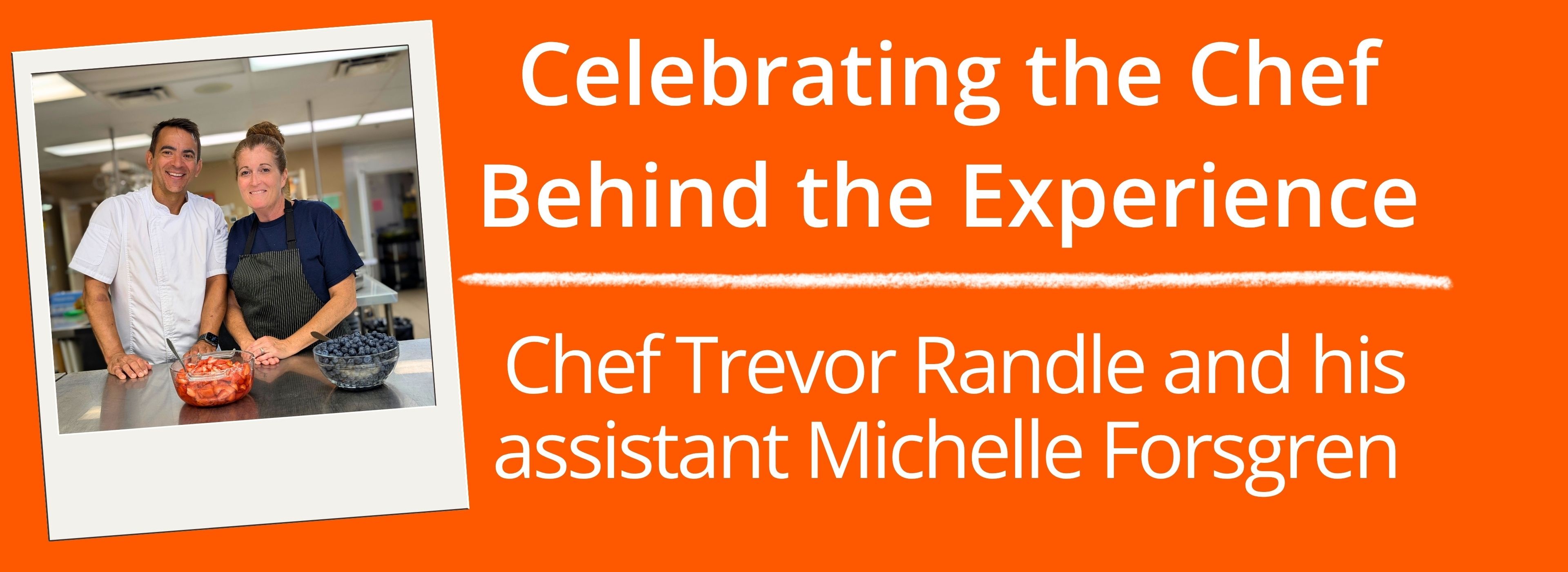
Throughout the week, BCAITC’s Chef Ambassador Trevor Randle and his assistant Michelle Forsgren brought agriculture and food together through memorable culinary experiences that highlighted the connection between BC-grown ingredients and the meals we enjoy every day.
From preparing daily meals and snacks to leading engaging chef demonstrations, Chef Randle helped participants explore the journey of food from farm to table. Each menu showcased locally sourced ingredients and celebrated the farmers, producers, and partners who contribute to BC’s diverse food system. Beyond the incredible meals they prepared, Chef Randle and Michelle created opportunities for participants to connect, share conversations, and develop a deeper appreciation for the role agriculture plays in culinary experiences.
Their creativity, expertise, and passion added a special element to Summer Institute and reminded participants that agriculture is not only about growing food, it is also about the people, stories, and communities that bring food to our tables.
Thank you, Chef Trevor Randle and Michelle Forsgren, for sharing your talents and helping make Summer Institute a memorable celebration of BC agriculture and food.
Day 1: Setting the Foundation for a Week of Learning
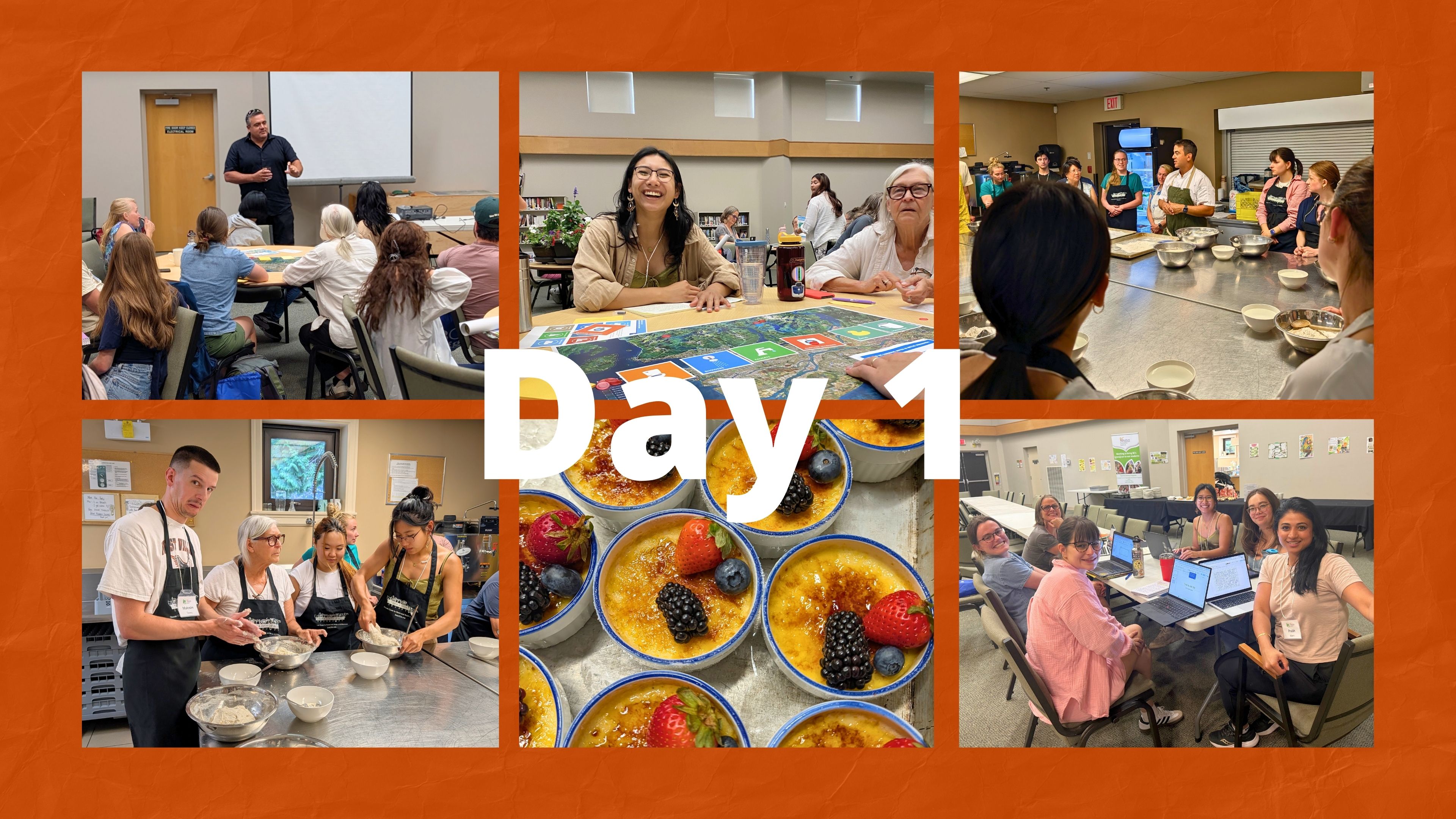
Summer Institute began with introductions, team-building activities, and an overview of the exciting week ahead. Participants explored agricultural topics through engaging discussions, including a presentation from the Agricultural Land Commission, where Nicole Mak, Regional Planner for the North & Island Regions, and Claire Buchanan, Regional Planner for the Okanagan Region, shared insights into agricultural land use planning and the importance of protecting BC’s agricultural resources.
Participants also learned about agriculture and sustainability in Metro Vancouver and beyond from Bruce Ford, Sustainability Education Specialist of Metro Vancouver’s School & Youth Leadership Programs and participated in collaborative activities designed to encourage creativity, teamwork, and connection. The first day set the stage for a week focused on discovery, exploration, and building relationships within BC’s agriculture community. The day concluded with Chef Trevor Randle’s first culinary demonstration, where participants learned baking techniques for working on baguette and puff pastry, showcasing the versatility of locally sourced ingredients.
Day 2: From Farm Fields to Food Systems
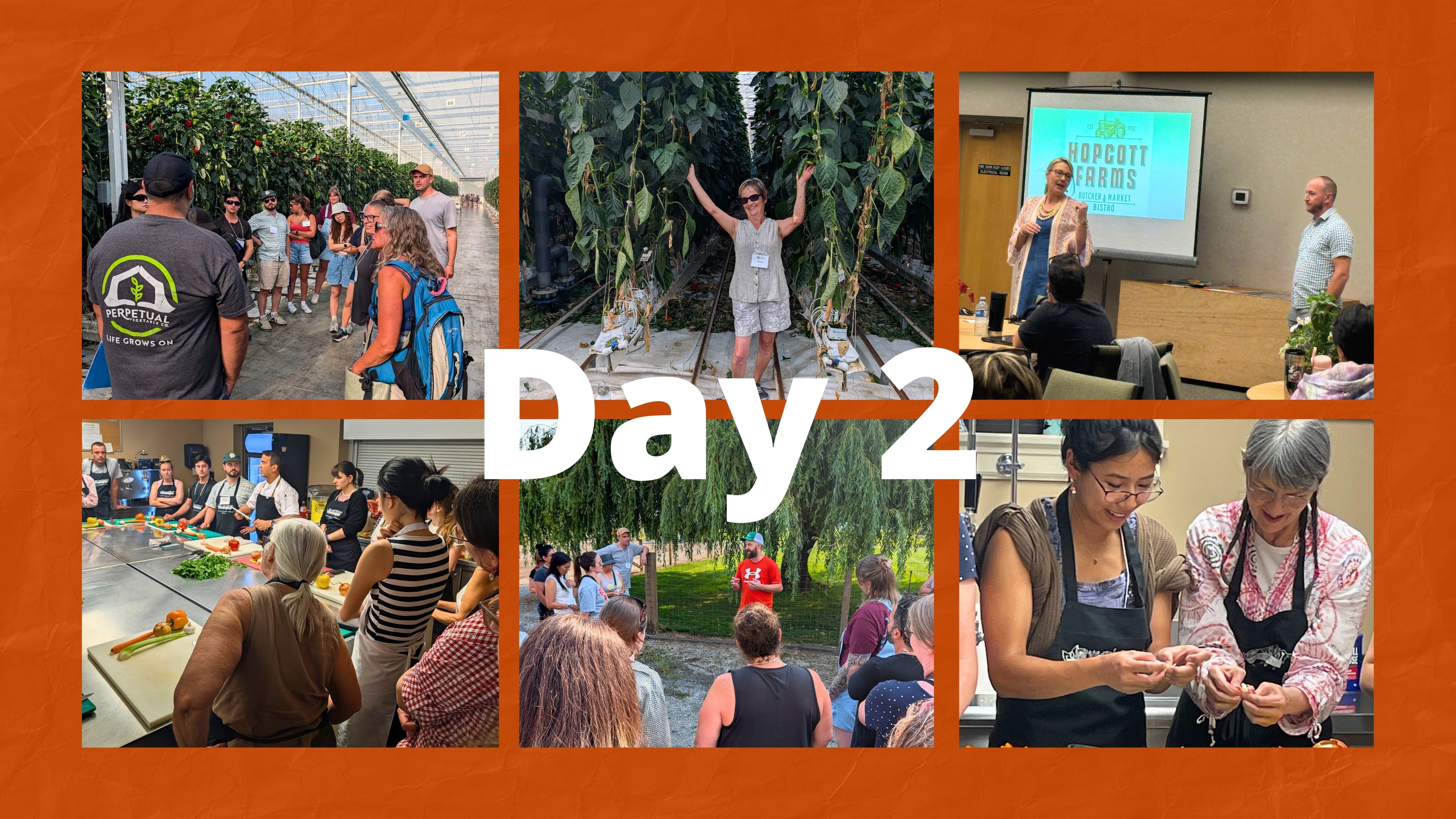
Participants stepped outside the classroom for a full day of agricultural exploration, visiting local farms and connecting directly with producers. The day began at Randhawa Farms/Perpetual Vegetables, where farm staff shared their experiences growing vegetables and operating a modern agricultural business. The group then visited Rosegate Dairy, where Jared DeJong, owner, provided insight into dairy production and the daily work involved in caring for animals and producing high-quality dairy products.
The day continued with Travis Hopcott and Sarah van Heeswijk from Hopcott Farms, who shared their knowledge of the cattle industry & cranberry production and the importance of sustainable agricultural practices. Through these experiences, participants gained a greater appreciation for the dedication, innovation, and expertise required to bring food from farms to communities. Chef Randle also led a hands-on knife skills demonstration, giving participants the opportunity to practice essential culinary techniques using fresh BC-grown products.
Day 3: Exploring Gardens, Innovation, and Food Production
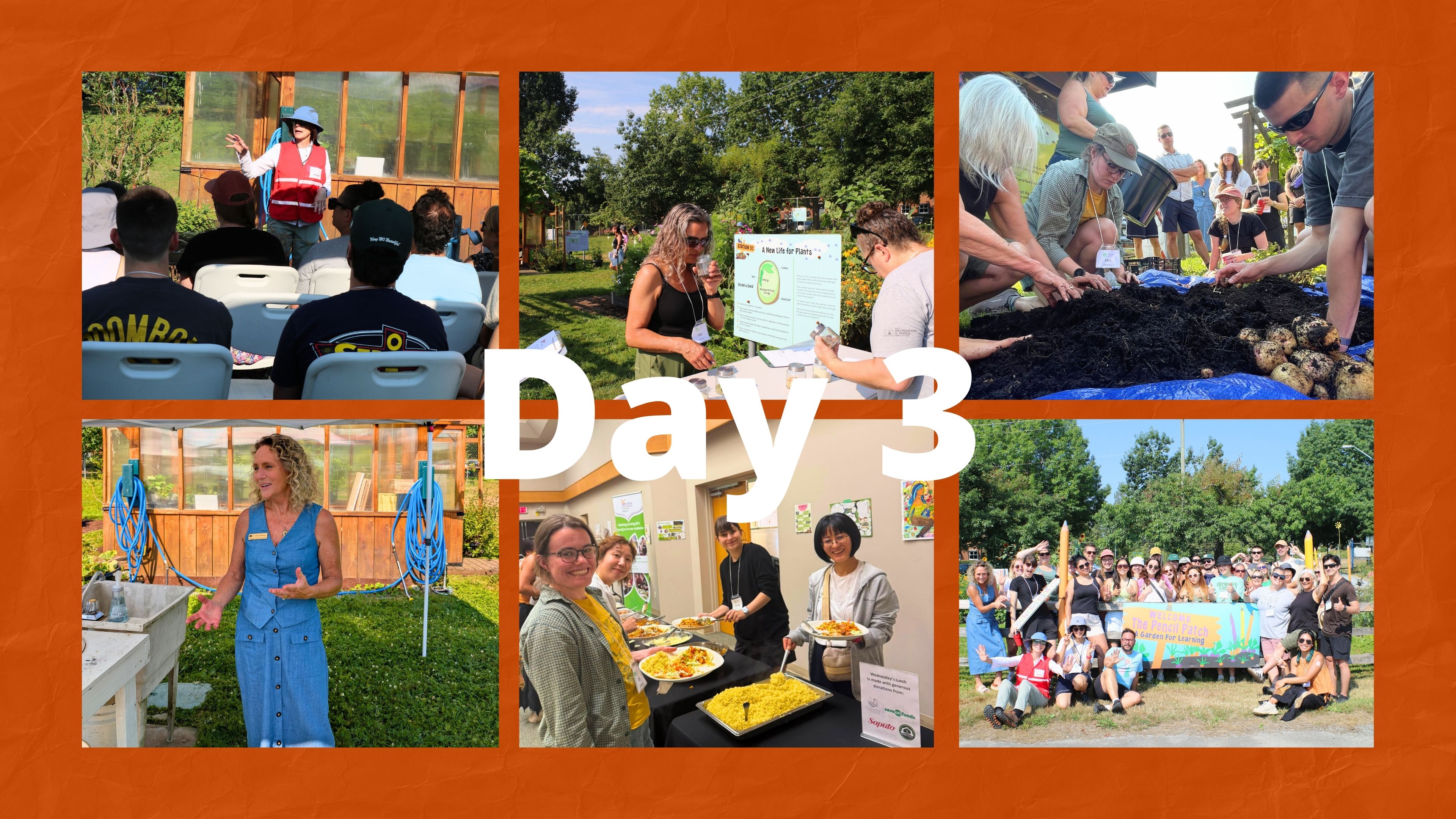
Participants started the morning at BCAITC’s Pencil Patch teaching garden, where they toured the garden and participated in a scavenger hunt led by Alison Speirs, Garden Coordinator, and her Summer Student Assistant Asees Randhawa. The visit highlighted the importance of hands-on learning and demonstrated how school gardens can inspire curiosity, environmental awareness, and a deeper understanding of agriculture.
Participants also heard from BCAITC Executive Director Cheryl Johnson, who shared the organization’s vision and the impact of agriculture education throughout BC through BCAITC’s programs. The group continued exploring the incorporation of food production into classroom curriculum through our most popular growing program, Spuds in Tubs. This demonstration, led by Program Coordinator Tina Evans, showcased how innovative classroom programs allow students to experience growing food firsthand. The day also featured an interactive presentation from Poultry in Motion, with Kaci Krahn, Amanda Korthuis, Dale Krahn, and Shannon Ardell, who shared insights into poultry production and the important role the poultry industry plays in BC agriculture. The day wrapped up with Chef Randle demonstrating how to prepare a variety of homemade salad dressings, encouraging participants to pair fresh, local BC produce with simple yet flavourful ingredients.
Day 4: Discovering BC Agriculture Across the Landscape
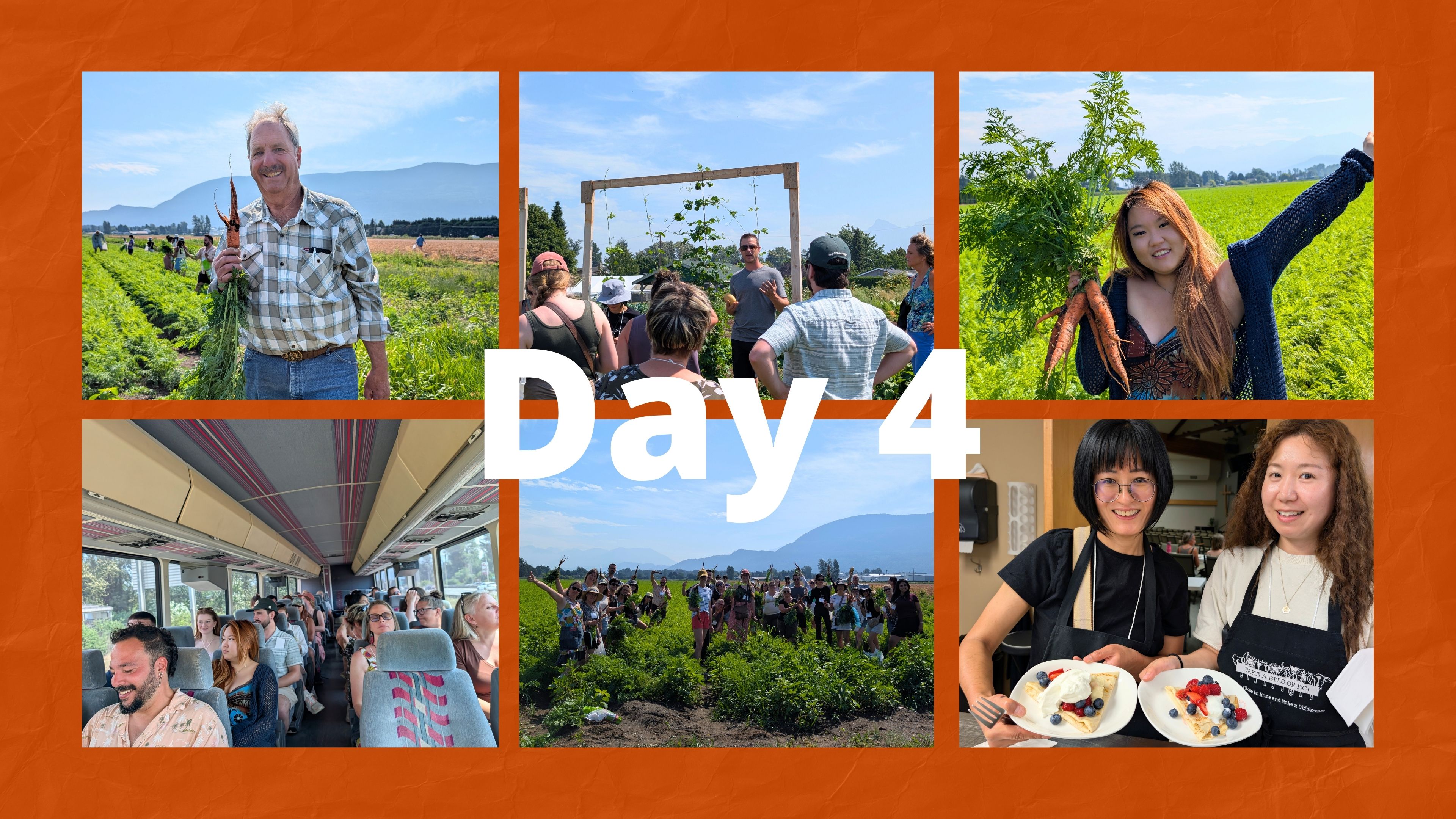
One of the highlights of Summer Institute was the immersive agriculture tour through the Fraser Valley, where participants explored the connections between land, food production, and education. The day began with a guided bus tour of the Sumas Flats led by Bill Zylmansof W & A Farms, who shared his vast knowledge of the region’s agricultural history, farming practices, and the importance of protecting productive farmland. Participants also took part in hands-on activities in local carrot and potato fields, digging and exploring crops firsthand while gaining a deeper appreciation for the work and care involved in producing the food we eat.
The group then travelled to Sardis Secondary Farm, where course instructor Joe Massie led a tour highlighting the innovative learning opportunities available through school-based agriculture programs. Participants also heard from Stephan Biela, Chilliwack School District Indigenous Support Teacher, who shared insights into Indigenous learning, land-based education, and the importance of creating meaningful connections between students, agriculture, and community.
The day continued with a farm-to-table lunch prepared by Chef Trevor Randle, Michelle Forsgren and Sardis Secondary Staff using BC products, followed by a chef demonstration and hands-on crepe-making activity. Participants enjoyed their creations with fresh BC berries, bringing together the week’s themes of agriculture, food, and community. From the fields to the classroom to the kitchen, Day 4 showcased the many ways agriculture connects people, places, and learning.
Day 5: Sharing Stories and Celebrating Connections
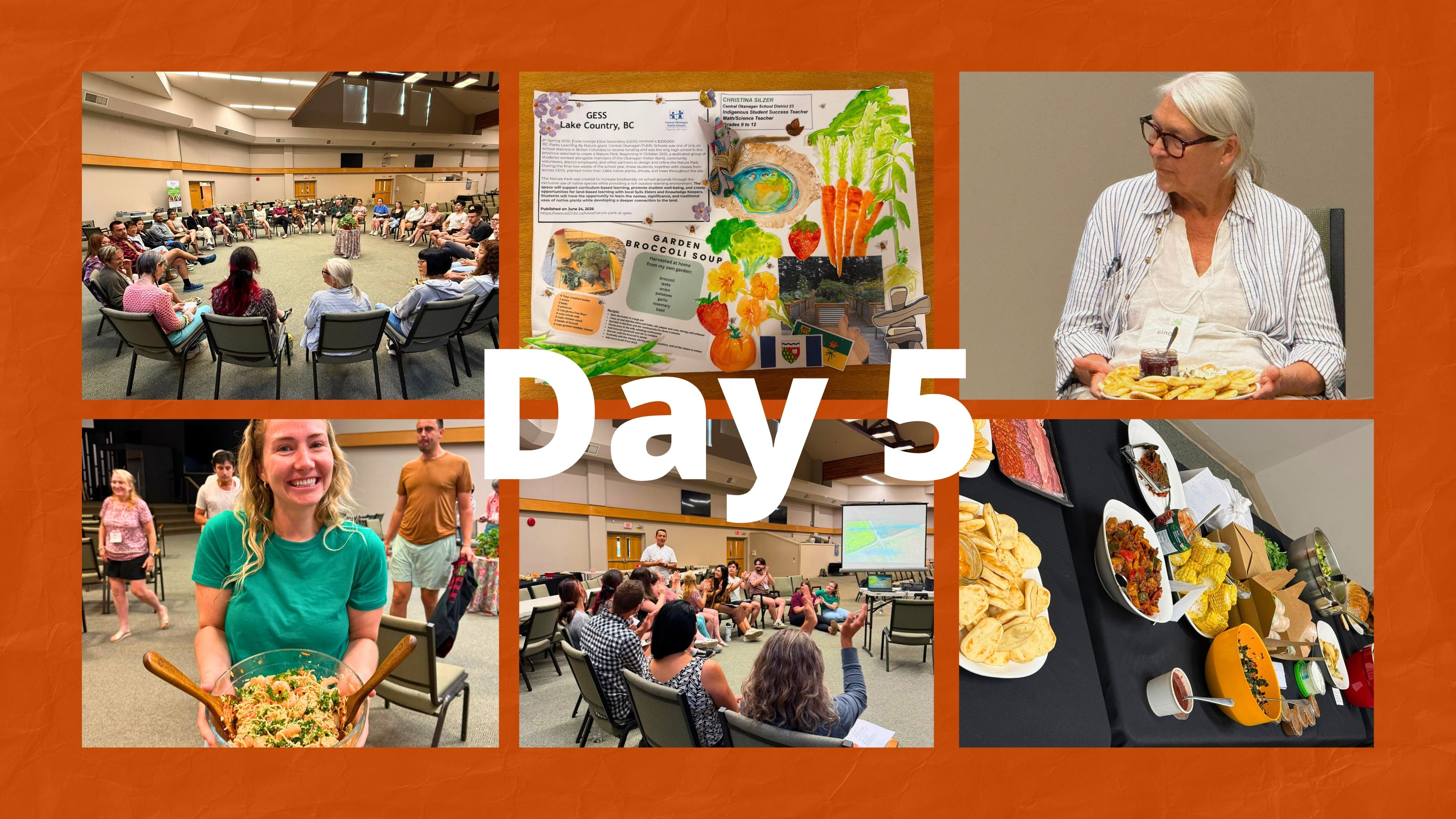
The final day of Summer Institute focused on reflection, collaboration, and celebrating the week’s experiences. Participants took part in presentations, including a conversation about Sardis Secondary Farm, followed by a special “Share My Lunch” potluck activity, where participants brought a food that represented something meaningful to them. The week concluded with a recap, slideshow, awards, and recognition of the incredible contributions from participants, speakers, instructors, chefs, sponsors, and partners who made the 2026 Summer Institute possible.
Building the Future of Agriculture Education
Summer Institute is more than a week of learning, it is an opportunity to build connections, discover new perspectives, and explore the many possibilities within agriculture. By bringing together students, participants, educators, producers, and industry leaders, BCAITC continues to create meaningful experiences that inspire the next generation of agriculture advocates. Thank you to everyone who helped make the 2026 Summer Institute an unforgettable week of learning, connection, and celebration of BC agriculture.
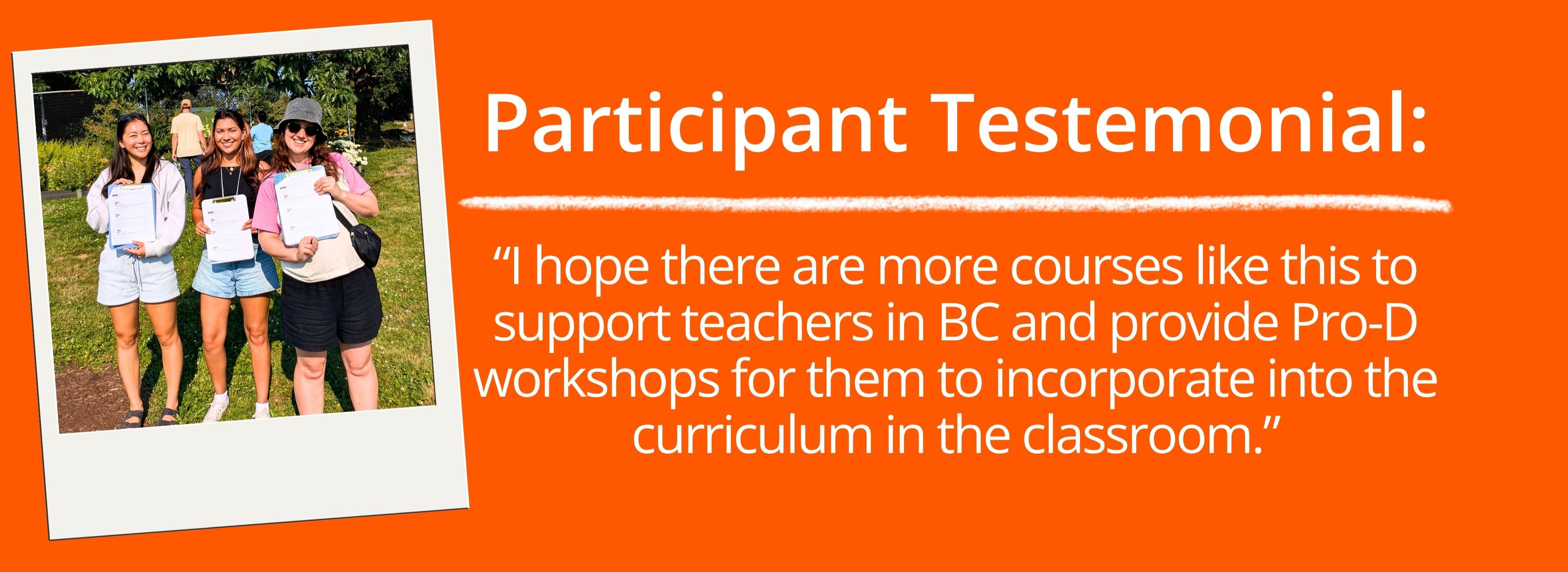
The impact of Summer Institute extends beyond the experiences shared during the week. Participants left with new perspectives, ideas, and resources to bring back to their classrooms and communities.
Did you miss this year's Summer Institute experience? Are you interested in participating next year?
The waitlist for the 2027 Summer Institute program is now open! Stay connected and be among the first to learn about next year's opportunity to explore BC agriculture and food through hands-on learning, industry connections, and shared experiences.
A Week Made Possible Through Community
Summer Institute would not be possible without the incredible support of agricultural leaders, educators, chefs, sponsors, and community partners who generously shared their knowledge and expertise.
.jpg)